
Handel’s Messiah‚ first performed in 1741‚ remains a staple of choral repertoire. Its PDF editions offer musicians precise notation‚ easy sharing‚ and digital annotation. Downloading a high‑resolution score enables rehearsals‚ academic study‚ and faithful performances worldwide. Ideal for performers.

1.1 Historical Context and Composition
George Frideric Handel‚ a German‑born composer who settled in London‚ completed Messiah in 1741 after a decade of prolific output. The oratorio was commissioned for a single performance by the Society of the New‑Year’s Day‚ a charitable group that staged annual concerts. Handel’s inspiration came from a biblical text‚ the “Hymn to the Lord” (Psalm 110)‚ which he adapted into a dramatic narrative. The work is structured in three parts: the first introduces the prophetic voice‚ the second focuses on the Passion‚ and the third culminates in the glorious Resurrection. Each section interweaves choruses‚ arias‚ and recitatives‚ showcasing Handel’s mastery of counterpoint and melodic invention. The premiere‚ held on 13 April 1741 at the King’s Theatre‚ was a triumph‚ with the audience reportedly leaving in tears. Over time‚ Messiah has become a staple of Christmas and Easter celebrations‚ its themes resonating across centuries. Modern performers frequently rely on high‑quality PDF scores‚ which preserve the original notation while allowing digital annotation‚ ensuring accurate interpretation. The availability of these PDFs has democratized access‚ enabling choirs worldwide to rehearse and perform the piece with fidelity to Handel’s vision.
Libraries offer high‑resolution scans of Handel’s manuscripts‚ letting scholars examine his nuances. Institutions offer free access; others require subscription. Musicians can zoom on bar lines‚ ensuring accuracy.
1.2 Significance in Classical Music
Messiah’s influence extends beyond its immediate era‚ shaping the trajectory of Western choral literature. Its structural clarity—three distinct parts—set a template for later oratorios‚ while its melodic lines became benchmarks for expressive vocal writing. The work’s dramatic pacing‚ juxtaposing lyrical arias with forceful choruses‚ inspired composers such as Haydn‚ Mozart‚ and later‚ Brahms. In the 19th century‚ the piece was revived during the Romantic movement‚ with conductors emphasizing its spiritual depth. Today‚ Messiah remains a liturgical staple‚ performed by ensembles ranging from small chamber choirs to massive symphonic forces. Its themes of redemption and hope resonate during holiday seasons‚ reinforcing cultural traditions. The availability of Handel Messiah PDFs has democratized access‚ allowing amateur and professional groups alike to study the score in detail. Digital annotations enable performers to explore interpretive nuances‚ while high‑resolution scans preserve the original manuscript’s integrity. Consequently‚ the oratorio continues to be a touchstone for musical education‚ performance practice‚ and scholarly research‚ illustrating how a single composition can shape an entire genre across centuries.
Moreover‚ Messiah’s influence permeates popular culture‚ appearing in films‚ television‚ and contemporary music covers; Its choruses‚ especially the “Hallelujah” finale‚ have become iconic‚ often used as a symbol of triumph. Music educators use the score to illustrate counterpoint‚ harmonic progression‚ and the use of motifs. The oratorio’s enduring popularity underscores the timeless nature of Handel’s artistry and the power of digital dissemination through PDFs‚ which keep the work alive for future generations. Thus‚ Handel’s Messiah remains a cornerstone of the classical canon‚ bridging past and present;
Overview of PDF Formats for Musical Scores
PDFs provide scalable‚ print‑ready images of Handel’s Messiah‚ preserving notation fidelity. They support annotations‚ layering‚ and easy sharing‚ making them ideal for rehearsals‚ academic study‚ and digital archives. for ensembles and soloists!!.
2.1 Advantages of PDF for Musicians
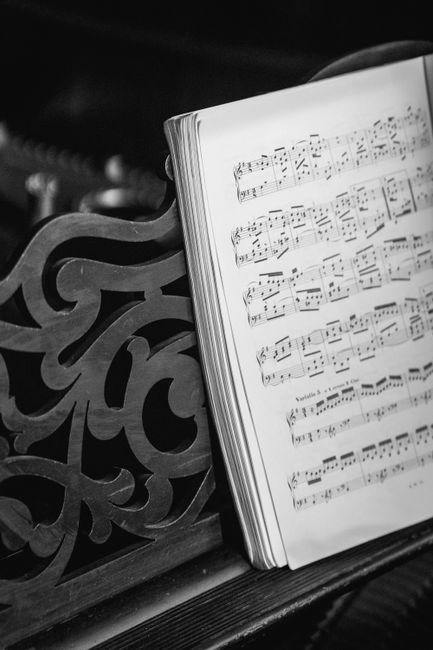
PDF files are the gold standard for distributing Handel’s Messiah scores because they preserve every nuance of the original engraving. Musicians can view the score on any device—desktop‚ tablet‚ or phone—without losing resolution‚ which is essential for spotting subtle dynamic markings‚ articulations‚ and tempo indications that are critical to a faithful performance. The format’s fixed layout eliminates the risk of page shifting that can occur in editable formats‚ ensuring that the conductor’s and soloist’s eye always lands on the correct measure. PDFs support high‑resolution images and vector graphics‚ so the fine details of Baroque notation‚ such as trills‚ mordents‚ and figured bass symbols‚ remain crisp even when zoomed to 400 %. Additionally‚ the ability to embed hyperlinks allows performers to link directly to audio or video excerpts of specific passages‚ facilitating contextual learning and rehearsal pacing. For ensembles‚ PDF files can be annotated with comments‚ rehearsal marks‚ and dynamic changes using PDF‑editing software‚ enabling collaborative score preparation without altering the original file. The universal compatibility of PDFs also means that rehearsal rooms equipped with projectors or large displays can run the score without the need for proprietary software‚ reducing technical barriers. Finally‚ PDFs are inherently portable; a single file can be stored on a USB drive‚ shared via email‚ or uploaded to cloud services‚ making it easy to distribute the Messiah score to singers‚ instrumentalists‚ and conductors worldwide while maintaining consistent formatting and fidelity across all platforms. The PDF format’s ability to embed high‑resolution images‚ vector graphics‚ and interactive hyperlinks allows performers to access contextual audio and video resources directly from the score‚ thereby enhancing rehearsal efficiency and ensuring that every nuance of Handel’s intricate Baroque writing is captured precisely performance preparations.
2.2 Common PDF Features in Music Publishing
PDFs in music publishing routinely incorporate features that enhance both the visual fidelity and functional utility of scores. High‑resolution vector graphics preserve the sharpness of Baroque notation‚ while embedded fonts ensure that every clef‚ key signature‚ and dynamic marking displays correctly across devices. Interactive elements such as clickable page numbers‚ cross‑references‚ and hyperlinks to audio or video clips allow performers to navigate large works like Handel’s Messiah with ease. Layered annotations enable editors to add rehearsal marks‚ tempo changes‚ or editorial notes without altering the underlying score‚ preserving the integrity of the original engraving. Metadata fields—title‚ composer‚ publisher‚ and copyright information—are embedded to facilitate cataloging and rights management. Some publishers embed digital signatures or watermarks to deter unauthorized duplication‚ while others provide password protection or DRM‑like restrictions for commercial distribution. The ability to embed thumbnails and a table of contents in a single file improves usability for conductors and soloists who need quick access to specific movements. Finally‚ PDFs support high‑quality printing‚ ensuring that printed copies match the digital version in layout‚ spacing‚ and overall aesthetic‚ which is essential for rehearsals and performances. These features empower musicians to manage‚ share‚ perform Handel’s Messiah with precision flexibility.now
Sources for Obtaining Handel Messiah PDFs
Explore official publishers‚ public domain archives‚ and academic libraries. Free sites host PDFs‚ while subscription services offer high‑resolution editions with editorial notes. Always verify copyright status before downloading or sharing. for free.
3.1 Official Publishers and Rights Holders
Handel’s Messiah is distributed by a select group of publishers who hold the exclusive rights to produce high‑quality PDFs. The most widely used edition is Boosey & Hawkes‚ offering a fully engraved score with detailed articulation marks and optional rehearsal annotations. Their digital files are ideal for rehearsal and performance‚ and the publisher’s licensing terms allow private study and public performance under a strict royalty structure.

Oxford Music Online provides a scholarly edition of the Messiah‚ complete with critical commentary and historical context‚ suitable for researchers and educators. The International Music Score Library Project (IMSLP) hosts a public‑domain version of the original manuscript‚ though it lacks modern editorial refinements. Users should note the difference between the original 1741 score and contemporary editions when selecting a PDF.
All official PDFs are distributed under strict licensing agreements that protect the intellectual property of the publishers and rights holders. Users must comply with the terms of use‚ which restrict redistribution‚ commercial exploitation‚ and alteration of the score. Acquiring PDFs directly from the publisher or authorized distributors ensures authenticity‚ legal compliance‚Fine and the highest quality of the musical text.
These official PDFs provide performers with reliable‚ legally compliant resources that honor Handel’s legacy while supporting musicianship. Access them responsibly.!
3.2 Public Domain and Free Distribution Sites
Handel’s Messiah‚ composed in 1741‚ entered the public domain long before the digital age. Consequently‚ several reputable platforms host free PDF scores that are legally safe for download‚ study‚ and performance. The most prominent of these is the International Music Score Library Project (IMSLP). IMSLP offers a complete‚ high‑resolution PDF of the original manuscript‚ complete with page numbers and editorial notes that aid in navigation. Users can also find a variety of arrangements‚ including simplified versions for choir and orchestra‚ all available for free download.
Mutopia Project offers a clean‚ formatted PDF of Messiah that is ideal for rehearsal and performance. The score is typeset with clarity‚ making it suitable for musicians who prefer a straightforward‚ no‑frills version. While it lacks the ornate details of a modern publisher’s edition‚ the notation remains accurate and faithful to Handel’s original manuscript.
These free PDF resources empower musicians allowing for rehearsal planning and accessible performance. By leveraging trusted sites‚ performers can maintain artistic standards while respecting legal boundaries. These scores are performers showcasing Handel’s genius.
These free PDF resources empower musicians worldwide‚ allowing for rehearsal planning and accessible performance. By leveraging trusted sites‚ performers can maintain artistic standards while respecting legal boundaries. edition origin prior use. !!
Legal and Ethical Considerations
Handel’s Messiah is in the domain‚ yet many modern editions carry publisher rights. Using free PDFs from reputable sites is legal‚ but distributing or printing for profit requires a license. Musicians should verify the source and respect copyright notices
4.1 Copyright Status of Handel’s Works
George Bernard Handel’s “Messiah” was composed in 1741‚ long before modern copyright law. The original manuscript and first editions are firmly in the public domain‚ allowing free use‚ adaptation‚ and distribution worldwide. However‚ the situation becomes more complex when contemporary publishers create new editions‚ add editorial notes‚ or incorporate modern digital formatting. These added elements—such as critical commentary‚ revised articulations‚ and updated page layouts—are typically protected by copyright‚ even though the underlying musical content is not. Consequently‚ a PDF that contains only the original score may be freely shared‚ but a PDF that includes editorial enhancements or a modern cover design may require permission from the publisher. Many publishers offer “public domain” editions that strip away proprietary material‚ but they often still retain a copyright notice for the editorial work. Musicians and educators should therefore examine the specific edition’s licensing terms before distributing or printing. In the United States‚ the copyright status of a public‑domain work is governed by the 1976 Copyright Act‚ which provides that works published before 1923 are in the public domain. The Messiah‚ being over 280 years old‚ falls well within this threshold. In the European Union‚ the term of protection is the life of the author plus 70 years‚ which also places Handel’s compositions in the public domain. Nonetheless‚ the European Union’s “digital single market” regulations allow publishers to claim moral rights over new editions‚ meaning that even a seemingly simple PDF can carry restrictions. For performers who wish to use a PDF in a commercial setting—such as a recording‚ a public performance‚ or a paid online tutorial—obtaining a license from the rights holder of the specific edition is prudent. Non‑commercial use‚ such as personal rehearsal or classroom teaching‚ is generally permissible under the doctrine of “fair use” or “fair dealing‚” but the exact scope can vary by jurisdiction. Finally‚ it is worth noting that while the score itself is free‚ the performance rights for the Messiah are still subject to performance‑rights organizations (PROs) that collect royalties for public performances. Thus‚ even if a PDF is legally obtained‚ the user must still secure performance licenses if the music is to be performed publicly. This layered legal landscape underscores the importance of understanding both the public‑domain status of the original work and the proprietary aspects of modern editions when handling Handel’s Messiah PDFs.
4.2 Licensing Agreements for Commercial Use
When a musician or producer intends to use a Handel Messiah PDF in a commercial setting—such as a recorded album‚ a televised concert‚ or a paid online workshop—obtaining a proper license is essential. Commercial use usually requires a blanket license from the publisher that owns the specific edition‚ covering reproduction‚ distribution‚ and public performance rights. The fee depends on the scope: a single‑performance license for a live concert‚ a recording license for an album‚ or a streaming license for online distribution. Publishers often bundle these rights into one agreement‚ but they may also offer tiered options: a “print‑only” license for rehearsal copies‚ a “performance” license for staged concerts‚ and a “recording” license for audio or video releases. Performers must also secure performance‑rights organization (PRO) clearance. PROs collect royalties from venues‚ broadcasters‚ and streaming platforms‚ and they require a separate registration for each performance. The cost of a PRO license is usually a percentage of gross revenue‚ ranging from 3 % to 6 % in the U.S. and similar rates in the EU. For large‑scale productions‚ a worldwide license that covers all territories eliminates the need to track regional agreements. Musicians should read the license agreement’s scope‚ renewal terms‚ and restrictions on editing or sublicensing. Violating these terms can lead to costly litigation‚ injunctions‚ or loss of distribution rights. Therefore‚ a thorough review of the publisher’s policy‚ coupled with consultation from a law attorney‚ ensures that the Handel Messiah PDF is used legally and ethically in commercial endeavor.
Practical Tips for Using Handel Messiah PDFs
Use a PDF viewer that supports zoom and page navigation‚ such as Adobe Acrobat or Foxit Reader. For rehearsal‚ print in booklet format and mark cues. When sharing‚ convert to a password‑protected PDF to protect rights. Keep a backup on cloud storage
5.1 Software Recommendations for PDF Viewing and Printing
For Handel Messiah PDFs‚ the choice of software shapes rehearsal efficiency. Professional notation viewers such as PDFtoMusic and SharpEye convert scanned scores into editable MusicXML‚ enabling dynamic adjustments before printing. General PDF readers like Adobe Acrobat Reader DC and Foxit Reader offer reliable rendering‚ duplex printing‚ and high‑resolution raster output. Annotation suites—PDF‑XChange Editor and Okular—provide robust markup tools‚ sticky notes‚ and text highlights‚ ideal for rehearsal markings. Choose a tool that supports PDF/A for archival integrity‚ offers a clear page‑layout view‚ and integrates with your operating system.
When printing‚ consider using a PDF viewer that supports duplex printing and high‑resolution raster output to preserve line art fidelity. Many musicians prefer Adobe Acrobat Reader DC for its robust annotation tools and compatibility across platforms‚ while Foxit Reader offers a lighter footprint and faster startup. For large ensembles‚ printing on both sides of heavy cardstock reduces paper usage and helps maintain a clean‚ professional‑grade score. Always test a single page first to confirm bleed and margin settings match the score’s layout. With the right software‚ you can annotate‚ share‚ and print Handel Messiah PDFs efficiently‚ ensuring each rehearsal and performance is backed by a clean‚ high‑quality score.
Use PDF‑XChange Editor’s “Print as Image” to preserve line art and reduce file size for sharing!
5.2 Tips for Annotating and Sharing PDF Scores
Collaborating on a Handel Messiah PDF demands a clear workflow. Begin with a master copy that remains untouched; all edits should be made on duplicate layers so the original score stays pristine. Use consistent naming conventions for annotation files (e.g.‚ “Messiah‑v2‑2026‑Oct”) to avoid confusion. When adding rehearsal marks‚ place them in the margin or use the built‑in “Rehearsal Mark” tool if the PDF viewer supports it‚ ensuring marks are visible but do not obscure the musical content.
Keep the PDF accessible on all devices. Compress it with a lossless method to preserve line art sharpness‚ but avoid over‑compression that could blur staff lines. If the PDF contains sensitive rehearsal notes‚ encrypt it and share the decryption key via a secure channel such as an encrypted email or a password‑protected cloud folder. Include a brief instruction sheet explaining how to open the PDF‚ enable annotation layers‚ and save personal changes.
For large ensembles‚ set up a shared drive with read‑only access for the master copy and a separate writable folder for each rehearsal group. This structure prevents accidental overwrites while still allowing each group to annotate their own copy. Maintain a revision log that records the date‚ changes made‚ and the person responsible.
Finally‚ use these practices to streamline collaboration and ensure high‑quality performances. Now!!!! and musicians!!! can focus on interpretation rather than technical hurdles!!!.