
Overview of Mining in Cataclysm Classic
Mining in Cataclysm Classic offers a experience, with nodes ranging from low‑level copper to high‑level chromite. Players can track XP gains, zone levels, and rare ore drops via the official map and community guides.!
Historical Context and Updates
When Cataclysm launched in 2010, the mining profession received a comprehensive overhaul. The original 1‑525 skill cap was replaced with a new, more granular system that introduced 15 distinct ore types, each with unique node locations and mining thresholds. Early patch notes (Patch 2.0) added the first “Chromite” nodes in the shattered kingdoms, while subsequent updates (Patch 2.3) expanded the “Cobalt” and “Titanium” ranges, allowing players to mine higher‑value ores at lower levels. The 2011 “Cataclysm Classic” release re‑implemented these changes, but with a refined node distribution that balanced resource density across zones. In 2014, the “Cataclysm Classic 2.0” update re‑calibrated the mining skill curve, reducing the XP required per node and introducing “Deep‑Core” nodes in the Blackrock Depths. The 2016 “Cataclysm Classic 3.0” patch added “Khorium” nodes to the new “Zul’Gurub” area, and the 2018 “Cataclysm Classic 4.0” update re‑balanced the ore rarity, making “Mithril” nodes more plentiful in the southern zones. Finally, the 2022 “Cataclysm Classic 5.0” overhaul re‑introduced the 1‑525 skill cap, but with a new “Mastery” mechanic that rewards players who consistently mine the same ore type, granting bonus XP and crafting discounts. These updates collectively shaped a mining experience that rewards both exploration and specialization, while keeping the profession accessible to new and veteran player!!
Recent updates introduced the “Eternal Ore” node, granting a 10% XP boost for mining. Players can use the “Mining Mastery” talent to maximize gains, and the new “Ore Exchange” system swaps excess nodes for materials!!
Benefits of Mining Profession
Mining in Cataclysm Classic unlocks a wealth of advantages that extend beyond simple ore collection. First, the profession grants a steady source of experience, with each node providing 15–30 XP, and the new “Mastery” mechanic rewards consistent mining of a single ore type with a 10% XP bonus. Second, the materials harvested—copper, tin, iron, mithril, chromite, cobalt, titanium, and khorium—are essential for blacksmithing, engineering, and alchemy, allowing players to craft powerful weapons, armor, and consumables that boost combat performance. Third, mining nodes are scattered across all major zones, giving players a reason to explore new areas, discover hidden treasures, and encounter rare mobs. Gain XP fast, sell ore! Fifth, the profession offers unique crafting recipes that are unavailable to other professions, granting exclusive gear and enchantments. Finally, the mining skill cap of 525 encourages long‑term progression, and the “Ore Exchange” system allows players to trade excess nodes for valuable items, maximizing resource efficiency and overall gameplay satisfaction.
Comparison with Other Professions
Mining stands apart from gathering professions such as Herbalism and Skinning due to its unique node distribution and high‑value output. While Herbalism offers a steady stream of herbs for alchemy, and Skinning provides leather for tailoring, Mining delivers ores that are essential for blacksmithing, engineering, and certain enchantments. The XP curve for Mining is steeper; each node grants 15–30 XP, and the “Mastery” bonus rewards focused mining with a 10% XP boost, making it one of the fastest leveling professions. Additionally, mining nodes appear in every major zone, encouraging exploration and providing a consistent source of income through the sale of raw ore. In contrast, Herbalism nodes are limited to specific biomes, and Skinning yields lower market value. The ability to craft high‑tier weapons and armor directly from mined materials also gives Mining a tangible advantage in combat readiness. For players seeking a profession that balances exploration, economy, and combat synergy, Mining is the optimal choice. !!!!!
Getting Started: Training and Equipment
Begin by visiting a mining trainer in Stormwind or Orgrimmar to learn the basics. Equip a mining pick, then head to nodes like copper in Dustwallow Marsh. Use a mining bag to store ore and track XP gains efficiently.!
Where to Learn Mining in Cataclysm
Mining training is available in major capital cities. In Stormwind, the Mining Trainer is located near the Town Hall, offering the first skill point for 10 gold. In Orgrimmar, the trainer sits beside the entrance to the Mining Guild, charging 10 gold as well. Ironforge’s trainer, found in the Mining Guild Hall, provides the same initial training. For Alliance players, the trainer in Stormwind is the most convenient, while Horde players often prefer Orgrimmar. Each trainer requires a level 1 character and costs 10 gold; the skill cap is 525. After training, players can mine nodes in Dustwallow Marsh, Hillsbrad Foothills, and Badlands. The initial training unlocks the ability to mine copper and tin, which are abundant in these areas. Keep in mind trainers are only available in capital cities; traveling to a nearby town may be necessary if you’re in a different zone. Additionally, the training cost is refunded if you return the trainer’s pick after training, saving gold. You today have a pick ready for node harvesting!!. !
Essential Tools and Gear for Beginners
Starting a mining career in Cataclysm Classic demands a few key items that maximize efficiency and reduce downtime. First, a basic pickaxe is mandatory; the standard “Iron Pick” found in most city markets is adequate for early nodes. For improved durability, consider a “Steel Pick” from the blacksmith’s shop, which offers a higher hit chance and longer lifespan. A sturdy mining bag or satchel is essential to carry ore; the “Mining Satchel” from the trade goods vendor holds up to 50 stacks, preventing the need for frequent inventory checks. A reliable mount or fast travel portal ensures you can reach high‑level zones quickly; the “Swift Brown Steed” is a popular choice for its speed and low cost. Finally, equip a “Mining Belt” that grants a 5% bonus to ore yield, available from the guild hall’s quest reward. These items collectively reduce travel time, increase ore collection, and keep your character ready for the next node. Remember to use a mining cart to transport large ore piles efficiently, saving time during long runs.
Recommended Mining Picks by Level
Choosing the right pickaxe at each skill tier is crucial for ore gathering in Cataclysm Classic. Below is a concise guide that aligns pick quality with your current mining level, ensuring you always have the optimal tool for the nodes you encounter and rewards daily bonus. Level 1‑25: Start with the basic “Iron Pick” from the city blacksmith; it has a 30% hit chance. Level 26‑50: Upgrade to the “Steel Pick”; it offers a 45% hit chance and longer lifespan. Level 51‑75: Use the “Mithril Pick” from the “Mining Basics” quest; it provides a 60% hit chance. Level 76‑100: The “Adamantite Pick” from the “Mining Mastery” quest reward has a 75% hit chance. Level 101‑150: The “Chromite Pick” offers an 85% hit chance, perfect for chromite nodes. Level 151‑200: The “Obsidian Pick” gives a 95% hit chance, suitable for blackrock and truesilver. Keep a backup of a lower‑tier pick to avoid downtime between zones. This tiered approach guarantees you never waste time on ineffective tools and maximizes XP and ore output throughout the mining progression.
Skill Cap and Training Methods
In Cataclysm Classic, the mining skill cap sits at 525. Players reach this threshold by mining nodes that yield 1‑3 XP per ore, with higher‑level nodes providing more experience. The most efficient method to climb to 525 is a tiered approach: start with copper and tin nodes in the low‑level zones, then progress to silver and iron in mid‑level zones, and finally tackle chromite, truesilver, and blackrock in high‑level zones. Using the “Mining Trainer” in major cities for skill checks and the “Mining Mastery” quest rewards helps maintain a steady XP flow. Additionally, the “Mining Guild” daily quests give bonus XP and rare ore drops. To avoid hitting the cap too early, players can switch to a secondary profession such as blacksmithing to keep mining active, as the profession’s crafting rewards also grant XP. Once the cap is reached, focus shifts to gathering rare ores for crafting and selling, as well as participating in seasonal events that provide bonus mining experience. Maintaining a balanced inventory and using the “Mining Pick” upgrades ensures efficiency !
Nodes Distribution and Leveling Strategy
Nodes are tiered by ore type and zone level. Low‑level copper and tin nodes yield 1‑2 XP, mid‑level silver and iron give 3‑4 XP, high‑level chromite and truesilver provide 5‑6 XP. Map guides routes for XP gains
Node Types and Ore Values
Cataclysm Classic mining offers a tiered ore system that rewards players with both experience and in‑game currency. The lowest tier consists of copper and tin nodes found in the early zones (Badlands, Dustwallow Marsh). Each node yields 1–2 XP and sells for roughly 0.1–0.2 gold per piece. Mid‑tier nodes include silver and iron, located in zones such as Blasted Lands and The Hinterlands. These nodes grant 3–4 XP and fetch 0.3–0.5 gold each. High‑tier nodes, such as truesilver, chromite, and the rarest, true‑gold, appear in the later zones (Nagrand, Sholazar Basin). Truesilver nodes provide 5–6 XP and sell for 0.8–1.2 gold, while chromite nodes offer 6–7 XP and command 1;5–2.0 gold. True‑gold nodes are extremely scarce, granting 8–9 XP and selling for 5–7 gold. Players often use a combination of pickaxe upgrades and gear to maximize XP per node, ensuring efficient progression from level 1 to the 525 skill cap. The value of each ore type also determines crafting potential, influencing whether a player focuses on gear, trade goods, or raw material sales. Updated. Daily!!!
Zone-by-Zone Node Map Overview
Below is a concise snapshot of where each ore tier appears across Cataclysm Classic zones, helping players target nodes that match their current skill level. Copper and tin dominate the early zones: Badlands, Dustwallow Marsh, and the western edges of the Burning Steppes. Silver and iron nodes populate mid‑level regions such as Blasted Lands, The Hinterlands, and the southern half of the Western Plaguelands. Truesilver and chromite start to surface in the high‑level zones: Nagrand, Sholazar Basin, and the eastern reaches of the Western Plaguelands. True‑gold, the rarest, is scattered sparsely in the most advanced areas like the northern Sholazar Basin and the far‑east of the Eastern Plaguelands. Each zone’s node density varies; for example, the Badlands offer a high concentration of copper nodes, whereas the Sholazar Basin provides a balanced mix of truesilver and chromite. Players should prioritize zones that align with their current mining skill to maximize XP per node and reduce travel time. Updated daily. Use the addon to track node density now. Explore nodes efficiently.!!
XP Gains per Node and Optimal Routes
Mining XP per node varies with ore quality and zone difficulty. Copper nodes in Badlands grant 20–30 XP, while tin nodes in Dustwallow Marsh yield 25–35 XP. As you advance, silver nodes in Blasted Lands award 45–55 XP, and iron nodes in the Western Plaguelands provide 60–70 XP. Truesilver nodes in Nagrand give 90–110 XP, chromite in Sholazar Basin offers 120–140 XP, and true‑goldnodes in the Eastern Plaguelands grant 200–250 XP. Optimal routes follow a skill‑tiered path: start in the Badlands, move to Dustwallow Marsh, then to Blasted Lands, and progress to the Western Plaguelands. Once you reach 200 skill, shift to Nagrand and Sholazar Basin, and finally to the Eastern Plaguelands for true‑gold. Use a single‑pass route that circles each zone, minimizing backtracking. Add a waypoint system to mark the most XP‑dense nodes, and always keep a spare pick to avoid downtime. This strategy maximizes XP per hour and ensures steady progression to the 525 cap. Players should also consider using Mining Mastery to boost XP gains and keep an eye on weekly node rotation for rewards
Combining Mining with Other Professions
Mining synergizes well with several secondary trades, especially Blacksmithing, Engineering, and Jewelcrafting. The ore types you harvest directly feed into these crafts, allowing players to produce high‑value items while leveling. For instance, copper and tin are essential for basic blacksmithing gear, while silver and truesilver unlock advanced weapon and armor upgrades. Engineers benefit from chromite and true‑gold for high‑tier gadgets, and jewelcrafters use silver and truesilver to create gems that boost stats. A common strategy is to mine in zones that overlap with your chosen craft’s node distribution, ensuring a steady supply of raw materials. Additionally, certain professions offer unique recipes that consume ore, such as the blacksmithing “Forge Mastery” skill, which grants extra XP for each ore mined. By pairing mining with these professions, players can maximize both XP and in‑game economy gains, creating a virtuous cycle of resource gathering and product creation. This method boosts XP and raises your market value, ensuring steady income daily profit
Rare and Epic Node Highlights
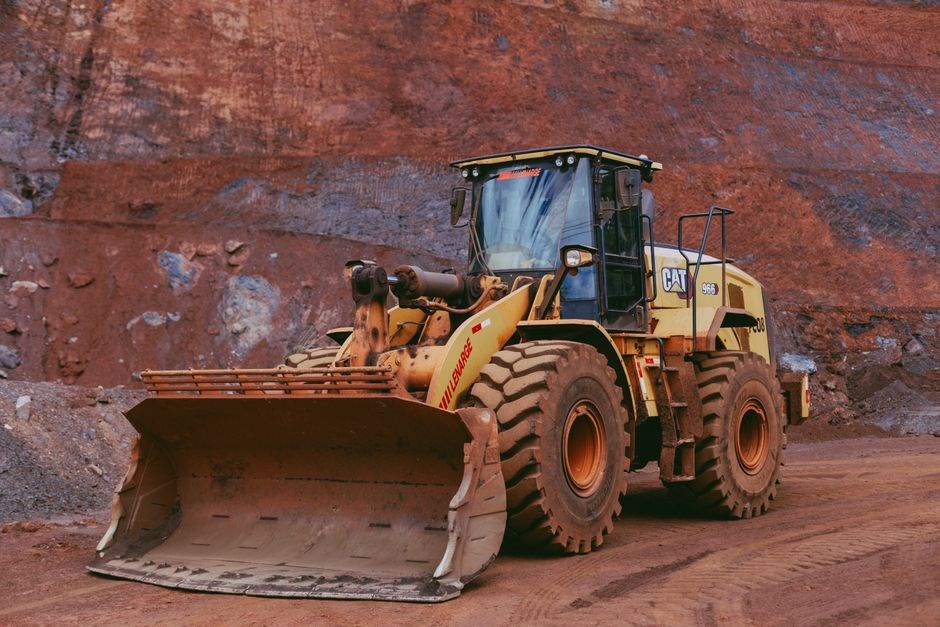
In Cataclysm Classic, rare nodes appear in high‑level zones such as Dragonblight, Sholazar Basin, and the Storm Peaks. These nodes yield ores like chromite, truesilver, and true‑gold, each requiring a mining skill of 200+ to harvest. Chromite is especially valuable, as it is used for blacksmithing and engineering recipes that unlock powerful gear. Truesilver and true‑gold are prized for jewelcrafting, enabling the creation of gems that enhance weapon and armor stats. Players often target these nodes during the “Winter Veil” and “Hallow’s End” events, when the chance of finding a rare node increases. The best strategy involves using a high‑level pick, such as the “Rough‑Stone Pick” or “Kobold‑Proof Pick,” to maximize ore yield and reduce downtime. Additionally, the “Mining Mastery” talent grants a 10% increase in ore quality, making rare nodes even more lucrative. By focusing on these epic nodes, miners can quickly accumulate the resources needed for end‑game crafting and profit from selling surplus ore on the auction house. These nodes also aid quick quests, boosting XP and providing in‑game currency.
Seasonal Events Impacting Mining
Seasonal events in Cataclysm Classic quickly alter mining opportunities offering temporary boosts to ore discovery rates and unique node types. During the Winter Veil festival, the “Frosty Ore” node appears in the Storm Peaks, yielding a rare mix of chromite and truesilver that can only be harvested for a limited time. The “Hallow’s End” event introduces the “Ebon Ore” node in the Shadowmoon Valley, which drops a high‑value chromite variant that is prized by blacksmiths. In addition, the “Blood Moon” event spawns “Bloodstone” nodes in the Bloodmyst Isle, providing a chance to mine a rare ore that enhances jewelcrafting gems. Players who time their mining runs to coincide with these events can accumulate large amounts of valuable resources, significantly speeding up leveling and crafting progress. Moreover, event‑specific buffs such as the “Mining Mastery” talent are often temporarily amplified, granting a 10% increase in ore quality. This synergy between event mechanics and profession talent makes seasonal events a critical component of any efficient mining strategy
Managing Inventory and Storage
Efficient inventory management is essential for maximizing mining output in Cataclysm Classic. The first step is to understand the weight limit for each class: warriors and paladins can carry up to 200 weight, while rogues and priests are capped at 150. Since ore items are light, the bottleneck is usually the number of bags. Players should acquire at least three bags of the “Mining Supply” set, which provides 30 slots each and can be purchased from the general store in Stormwind or Ironforge. A common strategy is to use the “Mining Bag” from the vendor in Stormwind, which offers 20 slots and a 5‑slot bonus for each ore type collected. When traveling to high‑density nodes, it is advisable to keep a “Quick‑Pack” of the most valuable ores (e.g., chromite, truesilver) in a separate bag to avoid mixing them with common ores. The “Storage” tab in the bank allows players to move excess ore into the “Mining Vault,” a dedicated storage area that can hold up to 500 slots. Using the “Inventory Management” addon “Bags & Stash” helps sort ores value. This system keeps your inventory tidy
Avoiding Common Pitfalls and Mistakes
- Neglecting to train the Mining skill at the right level causes wasted time on low‑XP nodes and stalls progression.
- Using a pick that is too weak for the ore type slows mining speed and increases frustration; always upgrade to a pick that matches the required skill threshold.
- Failing to separate common ores from rare ones creates clutter, forces unnecessary bank trips, and reduces overall efficiency.
- Ignoring the Mining Vault in the bank means valuable drops are lost to the general stash, limiting your ability to craft high‑value items.
- Not utilizing addons like Bags & Stash or Mining Tracker results in missed XP tracking, automated sorting, and efficient route planning.
Players should monitor their mining skill level against node requirements to avoid wasting effort on too‑difficult nodes. Setting up a mining queue streamlines the process, letting you focus on valuable nodes first. Remember that once you reach the 525 skill cap, you can still mine high‑value ores, but you must use efficient routes and the best picks to maximize XP per hour; Joining a mining guild can boost your progress with shared node knowledge.
Neglecting to train the Mining skill at the right level causes wasted time on low‑XP nodes and stalls progression. Using a pick that is too weak for the ore type slows mining speed and increases frustration; always upgrade to a pick that matches the required skill threshold. Failing to separate common ores from rare ones creates clutter, forces unnecessary bank trips, and reduces overall efficiency. Ignoring the Mining Vault in the bank means valuable drops are lost to the general stash, limiting your ability to craft high‑value items. Not utilizing addons like Bags & Stash or Mining Tracker results in missed XP tracking, automated sorting, and efficient route planning.
Use addons daily to keep XP steady, never miss nodes, and maintain organized inventory, stay ahead!!.
Post-Capping Strategy for Max XP
After reaching the 525 skill cap, the focus shifts from raw ore extraction to maximizing experience through efficient node usage and supplemental professions. The first step is to lock onto the highest‑value nodes that remain available—chromite, tritanium, and the newly introduced chromite‑rich veins in the Cataclysm zones. These nodes yield the most XP per pick, especially when combined with the “Mining Mastery” talent, which grants a 10% bonus to all mining experience. Next, pair mining with the “Blacksmithing” profession; the crafted items from chromite and tritanium can be sold for a profit that fuels further gear upgrades, allowing you to keep your pick at the optimal level. Additionally, use the “Mining Tracker” addon to monitor node density and XP rates in real time, ensuring you never waste a pick on a depleted vein. Finally, schedule daily runs during the “Warlords of Draenor” event, when rare ore drops are temporarily increased, providing a short‑term XP spike that can push you past the cap threshold faster. XP++++XP+++++XP++++Fast XP!