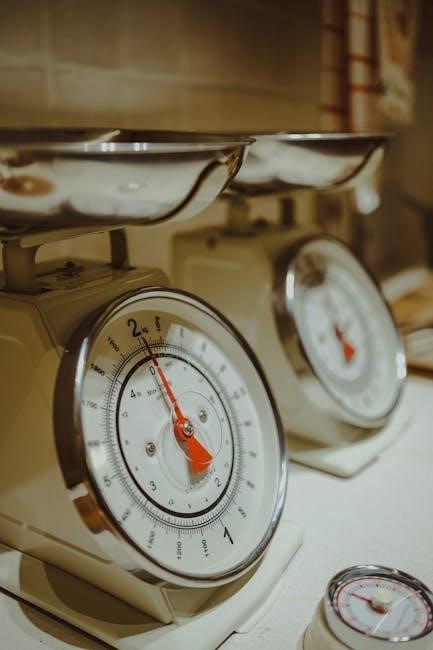

Weighmax Scale Manual: A Comprehensive Guide
Navigating unexpected Orange charges—WAP/WEB communications—highlights a need for clear device settings and vigilant billing reviews.
Understanding data usage is crucial for avoiding unforeseen costs, especially with smartphones and Wi-Fi connections.
Welcome to the world of Weighmax scales! These scales are designed to provide accurate and reliable weight measurements for a variety of applications, from basic health tracking to more specialized body composition analysis. Weighmax offers a diverse range of scales, catering to different needs and preferences.
This manual serves as a comprehensive guide to understanding and utilizing your Weighmax scale effectively. Whether you’ve recently purchased a simple digital bathroom scale or a more advanced model with features like body fat percentage calculation, this resource will walk you through setup, operation, and maintenance.
Like many users encountering unexpected charges with mobile services – as seen with Orange’s WAP/WEB billing issues – understanding your device’s functions is paramount. Similarly, grasping the nuances of your Weighmax scale ensures accurate readings and prevents frustration. We’ll cover everything from initial calibration to troubleshooting common problems, empowering you to get the most out of your investment.
Understanding Your Weighmax Scale Model
Weighmax scales come in various models, each with unique features and capabilities. Identifying your specific model is the first step to utilizing its full potential. Look for the model number, typically located on the back or bottom of the scale. This number is crucial when referencing this manual or contacting customer support.
Basic digital bathroom scales offer simple weight measurements in pounds, kilograms, or stones. More advanced models may include features like body fat analysis, muscle mass calculation, and water percentage readings. Some scales connect to smartphone apps via Bluetooth, allowing you to track your progress over time.
Just as understanding your mobile data usage – like the reported WAP/WEB issues with Orange – is vital, knowing your scale’s capabilities prevents misinterpretation of readings. Refer to the quick start guide included with your scale for a brief overview of its functions. This manual provides a detailed exploration of all features, ensuring you can confidently interpret the displayed information.
Safety Precautions and Warnings
Prioritize safety when using your Weighmax scale. This device is intended for household use only and should not be used for medical purposes. Consult a healthcare professional for any health concerns or before making decisions related to your health or treatment.
Caution: Do not immerse the scale in water or any other liquid. Clean with a damp cloth only. Avoid placing the scale on wet or slippery surfaces. Ensure the surface is stable and level before use. Like unexpected charges – similar to the WAP/WEB issues reported – unforeseen accidents can occur without proper attention.
Warning: Individuals with pacemakers or other implanted medical devices should consult their physician before using body composition analysis features, as these may utilize low-level electrical signals. Keep the scale out of reach of children. Do not attempt to disassemble or repair the scale yourself; this will void the warranty.

Setting Up Your Weighmax Scale
Proper setup ensures accurate readings. Begin by carefully unpacking all components and verifying their presence. Then, install batteries or connect the power adapter for initial operation.
Unboxing and Component Check
Carefully unpack your new Weighmax scale and verify all listed components are present. The box should contain the scale platform itself, a user manual (this document!), and potentially batteries – check your specific model’s packaging. Some models may include a power adapter instead of relying solely on batteries.
Inspect the scale platform for any visible damage incurred during shipping. Look for cracks, dents, or loose parts. If any damage is detected, do not attempt to use the scale and immediately contact Weighmax customer support (details in the Warranty Information section).
Alongside the scale, confirm the presence of any included accessories, such as a foot tape measure (for body composition scales) or adapter plugs for different power outlets. A quick inventory now prevents frustration later. Retain the original packaging for potential returns or warranty claims. Thoroughly check everything!
Installing Batteries (or Power Adapter)
Before first use, install the batteries or connect the power adapter. For battery-operated models, locate the battery compartment – typically on the back of the scale. Open the compartment and insert the batteries according to the polarity markings (+ and -) inside. Use only the specified type of batteries (usually AAA or AA) to ensure optimal performance and prevent damage.
If your Weighmax scale includes a power adapter, plug it into a standard electrical outlet and connect the other end to the designated port on the scale. Ensure the outlet voltage matches the adapter’s specifications. Do not force the adapter into the port.
After installing batteries or connecting the adapter, the scale should briefly display a welcome message or power-on indicator. If it doesn’t, double-check the battery installation or adapter connection. Proper power setup is essential for accurate readings!
Initial Calibration Procedure
To ensure accurate measurements, your Weighmax scale requires initial calibration. Place the scale on a hard, level surface – carpet or uneven flooring will affect results. Power on the scale. Some models automatically calibrate upon power-up; the display will show a process like “CAL” or a series of numbers.
If automatic calibration doesn’t occur, you may need to initiate it manually. Refer to your specific model’s instructions – often, this involves pressing a specific button (like “MODE” or “TARE”) for a few seconds. The scale might prompt you to step on and off, or to place a known weight on the platform.
Follow the on-screen instructions carefully. Calibration is complete when the display stabilizes and shows a consistent reading. Repeat the calibration if the scale is moved to a new location or after battery replacement. Accurate calibration is vital for reliable weight measurements.

Using Your Weighmax Scale
Consistent billing issues, like unexpected WAP/WEB charges, emphasize the importance of understanding device functionality and monitoring usage.
Proper operation ensures reliable data and avoids unwanted expenses.
Powering On and Off
Your Weighmax scale is designed for intuitive operation, but understanding the power functions is essential for accurate readings and prolonged battery life. Most Weighmax models feature a simple, one-touch power system. To activate the scale, gently tap the surface with your foot – a brief pressure is usually sufficient. The display will illuminate, indicating the scale is ready for use.
Automatic Shut-Off: To conserve battery power, Weighmax scales incorporate an automatic shut-off feature. After a period of inactivity (typically 10-20 seconds), the display will automatically turn off. This is a normal function and does not indicate a malfunction.
Manual Power Down: Some models may include a dedicated “Power” or “On/Off” button, usually located on the back or side of the scale. If your scale has this button, press and hold it briefly to turn the scale off manually. Avoid prolonged pressing, as this could potentially affect the internal circuitry. Remember, the automatic shut-off feature is generally sufficient for everyday use.
Troubleshooting Power Issues: If the scale fails to power on, first ensure the batteries are correctly installed (see the ‘Installing Batteries’ section) or that the power adapter is securely connected. If the problem persists, consult the ‘Troubleshooting’ section for further assistance.
Weighing Modes: Pounds, Kilograms, and Stones
Weighmax scales offer versatility with multiple weighing units to cater to diverse user preferences. Your scale likely supports Pounds (lbs), Kilograms (kg), and potentially Stones (st). Switching between these modes is typically straightforward.
Mode Selection Button: Locate the “Unit” or “Mode” button on your scale – its position varies depending on the model. Pressing this button cycles through the available weighing units. The currently selected unit will be displayed on the screen. Continue pressing until your desired unit appears.
Understanding the Units: Pounds are commonly used in the United States, Kilograms are the standard metric unit, and Stones are traditionally used in the United Kingdom and Ireland. Ensure you are familiar with the unit you’ve selected to accurately interpret your weight readings.
Default Setting: Many Weighmax scales default to Pounds upon initial setup. If you prefer a different unit, remember to change it before your first use. Consistent use of the same unit will prevent confusion and ensure accurate tracking of your weight over time.
Zero/Tare Function Explained
The Zero/Tare function is a crucial feature on your Weighmax scale, allowing for accurate measurements when using containers or weighing items incrementally. It essentially resets the display to zero, ignoring the weight of the container.
How to Use: Place the empty container on the scale platform. Press the “Tare” or “Zero” button. The display will return to 0.0, effectively eliminating the container’s weight from subsequent measurements. Now, add the item you wish to weigh into the container. The scale will display only the weight of the item, not the container itself.
Practical Applications: This is particularly useful for weighing ingredients in a bowl, liquids in a cup, or items within packaging. Repeatedly adding items? Use Tare after each addition for precise measurements.
Important Note: The Tare function only zeroes the displayed weight; it doesn’t physically remove the container. Always ensure the scale is on a level surface for accurate taring and weighing.
Understanding the Display Indicators
Your Weighmax scale’s display provides vital information beyond just weight readings. Familiarizing yourself with these indicators ensures accurate and informed use.
Common Indicators: “LOW BATTERY” – Replace batteries immediately to prevent inaccurate readings. “OVERLOAD” – The weight exceeds the scale’s capacity; remove weight. “UNIT” – Displays the current weight unit (lbs, kg, st). “HOLD” – Indicates a weight lock feature is active. “ERROR” – Consult the troubleshooting section of this manual.
Flashing Indicators: A flashing display often signals calibration is needed or the scale is unstable. Ensure the scale is on a hard, level surface during operation. Some models may display a “zero” indicator during the auto-zeroing process.
Specific Model Variations: Refer to your scale’s specific model documentation for a complete list and explanation of all display indicators. Ignoring these indicators can lead to inaccurate measurements and potentially damage the scale.

Advanced Features & Troubleshooting
Unexpected Orange billing issues demonstrate the importance of understanding complex systems and resolving errors promptly. Troubleshooting guides and advanced features enhance user experience.
Body Composition Analysis (If Applicable)
If your Weighmax scale features body composition analysis, it goes beyond simple weight measurement, providing insights into your overall health. This function estimates key metrics like body fat percentage, muscle mass, bone mass, and water percentage. To ensure accurate readings, follow these guidelines:
- Proper Foot Placement: Stand with your feet evenly distributed on the electrode pads. Avoid shifting your weight during the measurement.
- Hydration Levels: Dehydration or excessive hydration can affect results. Measure at a consistent hydration level.
- Measurement Timing: Take measurements at the same time of day, preferably in the morning before eating or drinking.
- Electrode Cleanliness: Ensure the electrodes are clean and free of any lotions or oils.
- Multiple Measurements: Take several measurements and average the results for greater accuracy.
Remember, these measurements are estimations and should not be used as a substitute for professional medical advice. Like the Orange billing issues, inconsistencies can occur; understanding the factors influencing readings is key.
Athlete Mode: For Accurate Readings with Fluctuations
For individuals with high activity levels or significant body composition fluctuations, Weighmax scales may offer an “Athlete Mode.” This mode accounts for the natural weight variations experienced by athletes due to hydration changes, muscle glycogen levels, and intense training.
Activating Athlete Mode typically involves a specific sequence of button presses (refer to your model’s specific instructions). When enabled, the scale utilizes a more sensitive algorithm, minimizing the impact of short-term weight changes on readings.
Consider these points when using Athlete Mode:
- Measure at a consistent time of day.
- Hydrate consistently before each measurement.
- Understand that readings still represent a snapshot in time.
Similar to investigating unexpected Orange charges, consistent monitoring and understanding the influencing factors are crucial for accurate data. This mode provides a more nuanced weight assessment for those whose bodies are in constant flux.
Error Codes and Their Meanings
Your Weighmax scale utilizes error codes to communicate potential issues with its operation. Recognizing these codes is vital for troubleshooting and ensuring accurate measurements. While specific codes vary by model, common errors include:
- “Err” or “E1”: Often indicates an overload – weight exceeds the scale’s capacity.
- “Lo” or “LoB”: Signals low battery power; replace batteries immediately.
- “E2” or “C”: May suggest a calibration issue; re-calibrate the scale.
- “E3”: Could indicate a sensor failure; contact customer support.
Refer to the detailed table in your scale’s manual for a comprehensive list of error codes and their corresponding solutions.
Just as understanding unexpected charges on an Orange bill requires investigation, deciphering error codes is key to resolving scale malfunctions. Ignoring these signals can lead to inaccurate readings or permanent damage.
Troubleshooting Inaccurate Readings
Inconsistent weight readings can be frustrating. Several factors contribute to inaccuracies. First, ensure the scale is placed on a hard, level surface – carpets or uneven floors cause errors. Second, verify the scale is properly calibrated (see ‘Initial Calibration Procedure’). Third, avoid placing objects on the scale during use.
Fluctuations can also occur due to body hydration, recent meals, or clothing. Weigh yourself at the same time each day, under similar conditions, for consistent results.
Like investigating unexpected charges on an Orange bill, pinpointing the source of the error is crucial. If issues persist, try replacing the batteries or contacting Weighmax support. A faulty sensor may require professional repair.
Remember to utilize the Tare function to zero out containers before weighing items.

Maintenance and Care
Regular cleaning and proper storage extend your Weighmax scale’s lifespan. Like monitoring an Orange bill for anomalies, consistent upkeep prevents issues and ensures accurate measurements over time.
Cleaning Your Weighmax Scale
Maintaining a clean Weighmax scale is essential for accurate readings and longevity. Just as scrutinizing an Orange bill for unexpected WAP/WEB charges requires attention to detail, so too does cleaning your scale.
Recommended Cleaning Procedure: Always power off the scale before cleaning; Use a slightly damp, non-abrasive cloth to wipe down the surface. Avoid harsh chemicals, solvents, or abrasive cleaners, as these can damage the sensors or finish. A mild soap solution can be used for stubborn marks, but ensure the cloth is only damp, not wet, and wipe thoroughly with a dry cloth afterward.
Important Considerations: Never immerse the scale in water or allow liquid to enter the internal components. Pay particular attention to the weighing platform, ensuring it is free of dust, debris, and any sticky residue. Regular cleaning – ideally weekly – will prevent buildup and maintain optimal performance. Like proactively managing your mobile data to avoid surprise charges, consistent cleaning prevents inaccuracies.
Sensor Protection: Be gentle around the load cells (sensors) as they are sensitive components. Avoid dropping heavy objects onto the scale, and do not apply excessive force during cleaning.
Battery Replacement Instructions
Ensuring consistent power to your Weighmax scale is vital for reliable operation, much like monitoring an Orange bill for unexpected WAP/WEB charges. When the display indicates low battery, follow these instructions carefully.
Procedure: First, turn off the scale. Locate the battery compartment, typically on the underside of the unit. Open the compartment cover – you may need a small screwdriver. Remove the old batteries, noting the correct polarity (+ and -) as indicated inside the compartment. Insert new batteries of the correct type (usually AAA or AA – check your model’s specifications).
Important Notes: Always replace all batteries at the same time, even if only one appears depleted. Do not mix old and new batteries, or different types of batteries. Ensure the battery contacts are clean and free of corrosion. Properly dispose of used batteries according to local regulations. Like diligently reviewing your mobile data usage, proper battery maintenance ensures uninterrupted functionality.

Post-Replacement: Close the battery compartment securely and power on the scale. Recalibrate if necessary (refer to the Initial Calibration Procedure section).
Storage Guidelines
Proper storage extends the lifespan of your Weighmax scale, similar to proactively managing your Orange mobile account to avoid unexpected WAP/WEB charges. When not in use for extended periods, follow these guidelines to maintain optimal performance.
Recommended Practices: First, ensure the scale is clean and dry. Remove the batteries to prevent corrosion and accidental discharge – a crucial step, much like disabling data roaming when traveling internationally. Store the scale in a cool, dry place, away from direct sunlight, extreme temperatures, and humidity.
Protection from Damage: Avoid storing the scale in areas where it could be subjected to physical shock or pressure. Consider using the original packaging or a protective case for added security. Do not stack heavy objects on top of the scale. Regularly check the storage area for pests or moisture.
Long-Term Storage: If storing for a very long time, periodically check the battery compartment for any signs of corrosion. Proper storage ensures your scale remains accurate and reliable when you need it.
Specific Model Variations
Like navigating diverse Orange mobile plans, Weighmax offers varied scales. Each model—WM-300, WM-250, and digital bathroom scales—possesses unique features and potential troubleshooting needs.
Weighmax WM-300 Manual Overview
The Weighmax WM-300 is a popular digital scale known for its reliability and ease of use. This model typically features a large, easy-to-read LCD display, providing weight readings in pounds, kilograms, and stones. Initial setup involves installing batteries and performing a calibration process, often by pressing a dedicated calibration button.
The WM-300 boasts a ‘Tare’ function, allowing users to zero out the weight of containers for accurate measurements of items placed on the scale. Understanding the display indicators is crucial; symbols indicate low battery, overload, or calibration errors. Like unexpected charges on an Orange bill, recognizing these signals prevents inaccurate readings.
Troubleshooting common issues, such as inconsistent readings, often involves ensuring the scale is placed on a hard, level surface and replacing the batteries. The WM-300 doesn’t usually include advanced features like body composition analysis, focusing instead on providing a straightforward and dependable weighing experience. Regular cleaning with a damp cloth maintains its accuracy and longevity.
Weighmax WM-250: Unique Features
The Weighmax WM-250 distinguishes itself with a tempered glass platform, offering a sleek and modern aesthetic. Unlike simpler models, the WM-250 often incorporates a step-on auto-power feature, instantly displaying weight upon contact. This model frequently includes a higher weight capacity, accommodating a wider range of users.
A key feature is its enhanced accuracy, often utilizing more precise sensors than the WM-300. Similar to investigating unexpected Orange charges, attention to detail matters. The WM-250 may also offer a data memory function, storing previous weight readings for tracking progress.
Troubleshooting typically involves checking battery polarity and ensuring the scale is on a firm, level surface. While it maintains the standard Tare function, the WM-250’s design prioritizes both functionality and visual appeal. Regular cleaning with a soft cloth preserves its glass surface and ensures continued accurate performance.
Weighmax Digital Bathroom Scales: Common Issues
Frequently encountered problems with Weighmax digital bathroom scales often mirror the unexpected billing issues seen with services like Orange—requiring investigation. Inaccurate readings are common, usually stemming from uneven flooring or low batteries. Ensure the scale is placed on a hard, level surface, avoiding carpets or rugs.
Another issue is the display malfunctioning, potentially due to a loose battery connection or internal component failure. If the display is dim or flickering, replace the batteries first. Scales may also fail to power on, indicating battery depletion or a more serious electronic fault.
The Tare function can sometimes become unresponsive, requiring a reset by removing and reinserting the batteries. Like tracking down unexplained WAP/WEB charges, methodical troubleshooting is key. Consistent error codes should be noted and referenced in the manual or with customer support.

Warranty Information and Support
Similar to resolving Orange billing disputes, Weighmax offers warranty protection and support channels. Access details online, or contact customer service for assistance with issues.
Weighmax Warranty Details
Weighmax stands behind the quality of its scales, offering a limited warranty against manufacturing defects. This warranty typically covers the scale for a period of one year from the original date of purchase, though specific durations may vary depending on the model and region. The warranty protects against malfunctions arising from normal use, as outlined in the accompanying manual.
However, the warranty does not cover damage resulting from misuse, abuse, accidents, unauthorized repairs, or failure to follow the provided instructions. This includes damage from exceeding the scale’s weight capacity, dropping the unit, or improper cleaning. Proof of purchase, such as a receipt or invoice, is required to make a warranty claim.
To initiate a claim, customers should first contact Weighmax customer support. They may be asked to provide photos or videos demonstrating the defect. If the issue is deemed covered under warranty, Weighmax will, at its discretion, repair or replace the defective scale. Shipping costs for returning the scale may be the responsibility of the customer, depending on the terms of the warranty.
Contacting Weighmax Customer Support
Weighmax provides several avenues for customers needing assistance with their scales. For immediate support, the most efficient method is often utilizing their dedicated phone line, available during standard business hours. Check the official Weighmax website for the most up-to-date contact number, as it may vary by region.
Alternatively, customers can reach out via email, submitting detailed inquiries and, if possible, including the scale’s model number and a description of the issue. Response times for email inquiries may be slightly longer than phone support. A comprehensive FAQ section is also available on the Weighmax website, addressing common questions and troubleshooting steps.
When contacting support, having your proof of purchase readily available will expedite the process. Be prepared to describe the problem clearly and concisely, and follow any instructions provided by the support representative. Online chat support may also be offered, providing real-time assistance directly through the website.
Finding Replacement Parts
Securing replacement parts for your Weighmax scale is crucial for maintaining its functionality and longevity. The primary source for genuine Weighmax components is their official website, which typically features a dedicated parts store or a contact form for specific requests. Common replacements include batteries, power adapters, and occasionally, replacement feet or display screens.
Before ordering, accurately identify your scale’s model number, often found on a sticker underneath the unit. This ensures compatibility and prevents ordering incorrect parts. Third-party retailers, such as online marketplaces, may also offer Weighmax-compatible parts, but verifying authenticity is essential.
When purchasing from third-party sources, carefully review product descriptions and customer reviews. Consider the seller’s reputation and return policy. For specialized or discontinued parts, contacting Weighmax customer support directly is recommended; they may be able to source components or suggest suitable alternatives.