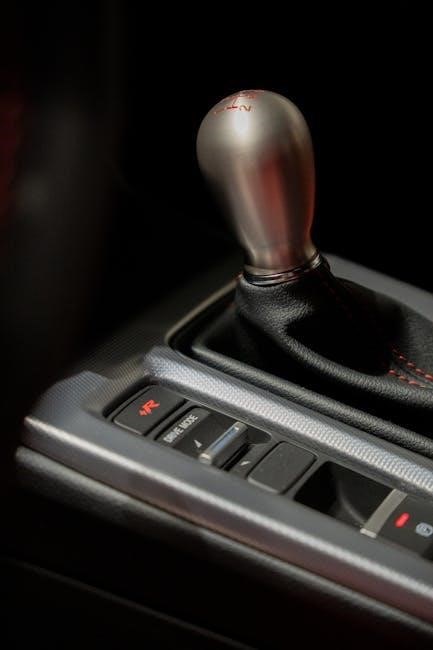

Infiniti Q50 Manual Transmission: A Comprehensive Guide (as of 04/15/2026)
Today, 04/15/2026, this guide details the Q50 6MT swap, born from repeated automatic transmission failures and a desire for a more engaging driving experience.
The Q50 6MT swap is rapidly gaining traction within the Infiniti enthusiast community, largely fueled by the documented unreliability of the factory automatic transmissions. Many owners, having experienced multiple automatic failures – some even two within a relatively short timeframe – are opting for the more robust and driver-focused manual transmission. This conversion isn’t simply about fixing a problem; it’s about transforming the Q50 into the engaging sports sedan it was always intended to be.
The process involves sourcing a complete 6MT drivetrain, typically from a related Nissan/Infiniti platform like the G37. Online forums, such as dedicated Q50 communities, are invaluable resources for information, parts lists, and shared experiences. This guide aims to consolidate that knowledge, providing a comprehensive overview of the swap, potential pitfalls, and long-term considerations.
The Rarity of the Q50 Manual Transmission
The Q50 was never officially offered with a manual transmission in North America, making the 6MT swap a relatively uncommon modification. This scarcity significantly impacts the availability and cost of necessary components. Finding a complete, readily available 6MT drivetrain requires diligent searching and often involves sourcing parts from salvaged vehicles or dedicated parts suppliers specializing in Nissan/Infiniti performance upgrades.
The limited production run of manual-equipped models in other markets further exacerbates the challenge. Consequently, the 6MT swap isn’t a straightforward bolt-on procedure; it demands a degree of mechanical expertise and a willingness to overcome logistical hurdles. The dedicated community actively shares information to mitigate these difficulties.
Why Choose a Manual Transmission for the Q50?
Many Q50 owners opt for the 6MT swap after experiencing repeated failures with the automatic transmission – some reporting two failures in a single vehicle. Beyond reliability concerns, the primary motivation is a dramatically enhanced driving experience. The manual transmission provides greater driver engagement, control, and a more visceral connection to the car’s performance.
Owners describe the resulting Q50 as “built to be exciting to drive,” transforming the car’s character. This modification appeals to enthusiasts seeking a more sporty and interactive driving dynamic, moving away from the convenience of automatic operation towards a more rewarding and involved experience. It’s a commitment to driving pleasure.
The 6MT Swap Process
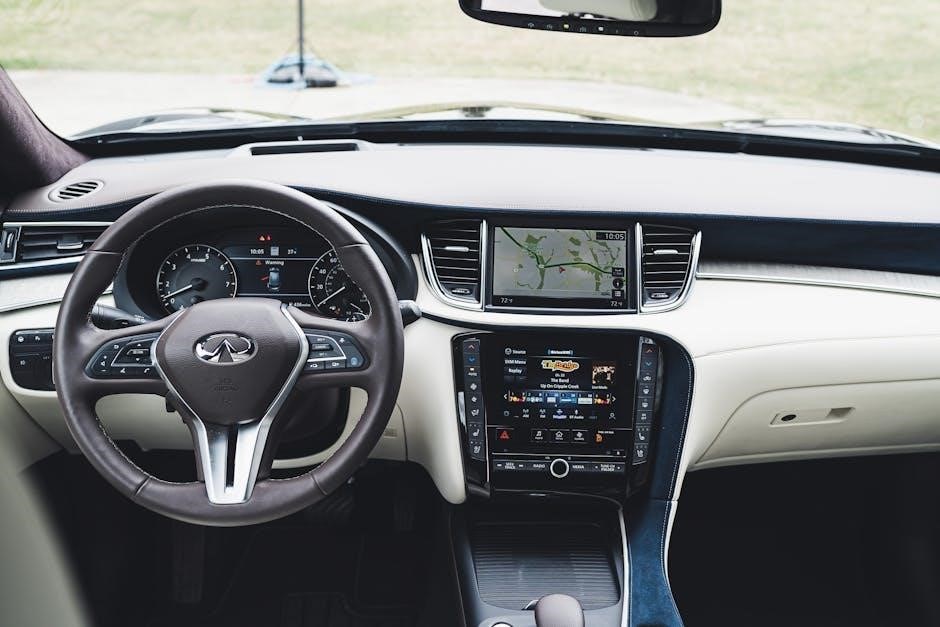
Successfully converting a Q50 requires sourcing specific parts, understanding bellhousing bolt patterns (especially for 2014-2017 3.7L models), and a detailed installation procedure.
Sourcing the Necessary Parts
Locating components for the Q50 6MT swap demands diligent searching. A comprehensive parts list includes the transmission itself, a compatible pedal assembly, the shift linkage, a new flywheel, clutch kit, and potentially a driveshaft modification. Finding these parts can be challenging, as the manual transmission Q50 is rare. Online Infiniti Q50 forums are invaluable resources for locating used parts from parted-out vehicles.
Be prepared to potentially source parts from a Nissan 370Z, as some components are interchangeable. Carefully verify compatibility before purchasing, especially regarding bellhousing bolt patterns. Newer VR Q50 models may have different patterns. Expect to spend considerable time and effort tracking down everything needed for a complete and successful conversion. Patience is key!
Essential Components for the Manual Transmission Conversion
Beyond the obvious transmission, several crucial components are required for a successful Q50 6MT swap. A complete clutch kit – disc, pressure plate, and throw-out bearing – is fundamental. The flywheel must be matched to the transmission and engine. A 370Z pedal assembly provides the necessary components for clutch operation.
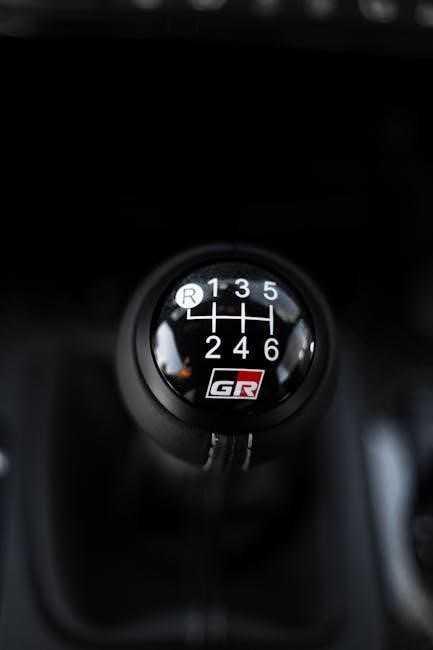
The shift linkage and associated hardware are essential for precise gear changes. Expect to potentially modify the driveshaft to accommodate the manual transmission’s length. A new master and slave cylinder for the clutch hydraulic system are also vital. Don’t overlook smaller items like transmission fluid, shift knob, and potentially ECU reprogramming for optimal performance.
Bellhousing Bolt Pattern Considerations (2014-2017 3.7L Models)
For the 2014-2017 3.7L Q50, bellhousing bolt pattern compatibility is a critical aspect of the 6MT swap. Direct bolt-on solutions are limited; typically, components from the Infiniti G37 are utilized. However, careful verification is essential, as slight variations can occur. Newer VR Q50 models may exhibit different bellhousing patterns, necessitating alternative sourcing or adapter plates.
Thoroughly research and confirm the compatibility of the chosen transmission with the Q50’s engine block. Mismatched patterns require custom machining or adapter plates, significantly increasing complexity and cost. Online Q50 forums are invaluable resources for confirming successful swaps and identifying potential fitment issues.
Detailed Step-by-Step Installation Guide (Overview)
The 6MT swap involves a complex series of steps, demanding mechanical proficiency. Begin by disconnecting the battery and draining all fluids – engine oil, coolant, and transmission fluid. Remove the existing automatic transmission, driveshaft, and exhaust components. Install the manual transmission, clutch, flywheel, and associated hardware.
Modify the center console for the manual shifter. Adapt the pedal assembly to include a clutch pedal. Connect the new wiring harness and ensure proper ECU integration. Refill fluids, test the clutch operation, and verify all connections. A comprehensive guide, often shared within Q50 communities, is crucial for success.
Potential Issues and Troubleshooting
Common challenges include oil pressure (aim for 50psi+ WOT), engine sludge impacting turbo performance, and potential turbo failures—often seal-related, causing exhaust smoke.
Common Problems Encountered During the Swap
Several hurdles frequently arise during the Q50 6MT conversion. Sourcing all necessary parts can be time-consuming, especially for the 2014-2017 3.7L models, due to the bellhousing bolt pattern differences.
Many report issues with used engine and turbo components, highlighting the risk of inheriting pre-existing problems. Engine sludge is a significant concern; accumulated sludge restricts oil flow, potentially damaging turbos.
Turbo failures often manifest as seal issues, leading to oil leaking onto the cold side and visible exhaust smoke. Rod knock, indicating severe engine damage, is another potential issue, often stemming from inadequate lubrication or pre-existing wear. Duplicate discussions on forums suggest common questions and repeated troubleshooting efforts within the community.
Addressing Oil Pressure Concerns (50psi+ WOT)
Maintaining adequate oil pressure is critical post-6MT swap, particularly during wide-open throttle (WOT) pulls. A consistent 50psi+ reading throughout the entire WOT range confirms healthy oil delivery to the engine and turbos.
Low oil pressure can quickly lead to turbo failure and engine damage, especially with the increased stress of manual driving. Thoroughly inspect the oil pump and pickup tube for blockages or wear.
Significant engine sludge restricts oil flow, exacerbating pressure issues. A complete engine flush before the swap is highly recommended. Monitoring oil pressure with an aftermarket gauge is crucial for early detection of potential problems and preventative maintenance.
Engine Sludge and its Impact on Turbo Performance
Engine sludge is a significant concern during a Q50 6MT swap, especially when using a used engine. Accumulated sludge severely restricts oil flow, directly impacting turbocharger performance and longevity. Turbos rely on a constant supply of clean oil for lubrication and cooling; restricted flow leads to overheating and premature failure.
If substantial sludge is discovered in a previous engine’s oil pan, assume the entire oil system – including oil passages within the engine and turbocharger – is also contaminated. A complete engine tear-down and cleaning, or replacement, is strongly advised to prevent future issues.
Ignoring sludge risks accelerated wear, reduced boost, and ultimately, catastrophic engine or turbo failure.
Turbo Failure Analysis (Seal Issues & Exhaust Smoke)
When turbos fail in the swapped Q50, a common symptom is oil leaking past the seals, manifesting as bluish smoke from the exhaust. This indicates compromised turbocharger internal seals, allowing oil to enter the exhaust stream. The source of the leak can be either the compressor seal (drawing oil into the intake) or the turbine seal (expelling oil into the exhaust).
Consistent exhaust smoke suggests significant seal damage, requiring turbocharger replacement or rebuild. Identifying the specific seal failure point is crucial for proper repair. Ignoring this issue leads to further oil loss, potential engine damage, and reduced performance.
Regular oil analysis can help detect early signs of turbo seal wear.

Engine and Turbo Considerations
Choosing between new or used engine/turbo components is vital; used parts carry risk; Engine failure often presents as “rod knock,” stemming from lubrication issues or sludge buildup.
New vs. Used Engine and Turbo Components
The decision to utilize new versus used engine and turbo components during a Q50 6MT swap is critical, directly impacting long-term reliability and performance. Many enthusiasts have encountered misfortune with pre-owned parts, highlighting the potential for hidden issues. A used engine might seem cost-effective initially, but could harbor pre-existing wear or damage, leading to premature failure.
Conversely, new components offer peace of mind, ensuring optimal functionality and a longer lifespan. However, they represent a significant financial investment. Thorough inspection of used turbos is paramount; look for signs of shaft play, oil leaks, or damage to the compressor and turbine wheels. Remember, turbos failing often exhibit oil leaking on the cold side, resulting in exhaust smoke. Carefully weigh the risks and benefits based on your budget and desired level of reliability.
Understanding Engine Failure (Rod Knock & Causes)
Engine failure, often manifesting as “rod knock,” is a serious concern during and after a Q50 6MT swap. Rod knock occurs when the connecting rod bearings wear, creating excessive clearance and a distinct knocking sound, signaling imminent engine damage. Several factors contribute to this, including inadequate lubrication, often stemming from significant engine sludge buildup within the oil pan and throughout the oil system.
Sludge restricts oil flow to critical components, accelerating wear. Aggressive driving styles and inadequate maintenance exacerbate the issue. Furthermore, pushing the engine hard without proper tuning can also contribute to rod knock. Monitoring oil pressure – aiming for 50psi+ during a wide-open throttle (WOT) pull – is crucial for early detection of potential lubrication problems and preventing catastrophic failure.
Red Sport Internals: Clarification of Engine Specifications
A common point of confusion surrounds the internal differences between Q50 engine variants, particularly concerning the Red Sport models. Despite perceptions, the engines across all Q50 trims – including the Red Sport – share fundamentally identical core specifications. The primary distinction lies in the Red Sport’s twin-turbocharging system, boosting power output significantly compared to the naturally aspirated 3.7L versions.
Internal components like the crankshaft, connecting rods, and pistons remain consistent. Therefore, when sourcing engines for a 6MT swap, focusing on overall condition and mileage is paramount, rather than specifically seeking a “Red Sport” engine for enhanced internals. Proper tuning is key to unlocking the full potential of any swapped engine, regardless of its original trim level.

Tuning and Performance
Professional tuning is crucial after a 6MT swap to optimize performance and ensure the engine and turbos operate safely and efficiently for maximum gains.
The Importance of Professional Tuning

Following a 6MT swap on your Infiniti Q50, relying on a professional tuner isn’t merely recommended—it’s absolutely essential. The stock ECU calibrations are designed for the automatic transmission, and simply swapping to manual introduces significant variables. A skilled tuner will meticulously recalibrate parameters like fuel delivery, ignition timing, and boost control to perfectly match the new drivetrain.
Ignoring this step can lead to suboptimal performance, increased engine stress, and even potential damage. Proper tuning unlocks the full potential of the 6MT swap, ensuring smooth power delivery and maximizing the driving experience. Furthermore, a tuner can monitor vital engine parameters, like oil pressure (aiming for 50psi+ during WOT pulls), to proactively identify and address any potential issues arising from the modification. Don’t underestimate the value of expertise!

Optimizing Performance After the 6MT Swap
Beyond professional tuning, several avenues exist to further optimize your Q50’s performance post-6MT swap. Addressing potential engine sludge buildup is crucial; a sludged system restricts oil flow to the turbos, hindering performance and increasing the risk of premature failure. Inspecting and potentially replacing turbos, especially if used, is wise, watching for seal failures causing exhaust smoke.
Monitoring oil pressure is paramount – consistently achieving 50psi+ during wide-open throttle (WOT) pulls indicates healthy oil delivery. Consider the condition of your engine; rod knock signals internal damage, often stemming from inadequate lubrication. Finally, actively participate in Q50 forums to share experiences and learn from others’ modifications, maximizing your swap’s potential.

Community and Resources
Infiniti Q50 forums provide a vibrant space for discussion, sharing modifications, asking questions, and connecting with fellow enthusiasts regarding the 6MT swap.
Infiniti Q50 Forums and Online Communities
Engaging with the Infiniti Q50 community is crucial for a successful 6MT swap. Several online platforms offer invaluable support, shared experiences, and troubleshooting advice. Dedicated forums allow owners to discuss everything from parts sourcing to tuning strategies. Don’t hesitate to post questions, even if they seem repetitive – information can be easily missed in extensive threads.
These communities are excellent resources for identifying potential issues before they arise, learning from others’ mistakes, and discovering hidden gems regarding compatible parts. Members frequently share detailed build logs, photos, and videos, providing a visual guide to the conversion process. Active participation fosters a collaborative environment where knowledge is freely exchanged, accelerating your project and enhancing the overall experience. Remember to utilize the search function before posting, but feel comfortable starting new discussions when needed!
Sharing Modifications and Experiences
Documenting your Q50 6MT swap journey is incredibly valuable to both yourself and the wider community. Detailed posts, complete with photos and videos, create a lasting record of your progress and challenges. Sharing your experiences – both successes and setbacks – helps others avoid common pitfalls and refine their own approaches.
Specifically, detailing parts lists, costs, and installation nuances is exceptionally helpful. Discussing engine and turbo component choices (new vs. used), observed oil pressure readings (aiming for 50psi+ WOT), and any encountered engine sludge issues provides critical insights. Reporting on turbo failure modes (seal issues, exhaust smoke) and tuning specifics contributes to a collective understanding of this complex modification. Your contribution helps elevate the knowledge base for all Q50 enthusiasts!
Maintenance and Long-Term Reliability
Consistent maintenance is crucial post-swap; multiple automatic transmission failures prompted this conversion, demanding diligent care to ensure the 6MT’s longevity and performance.
Regular Maintenance Schedule for 6MT Q50
Following the 6MT swap, a revised maintenance schedule is paramount for long-term reliability. Begin with standard procedures: oil changes every 5,000-7,500 miles, utilizing high-quality synthetic oil to mitigate potential sludge buildup – a known issue impacting turbo performance. Inspect coolant levels and condition regularly, alongside brake fluid.
Crucially, pay close attention to the manual transmission itself. Gear oil should be replaced every 30,000 miles, and the clutch fluid flushed annually. Monitor for any signs of oil leaks, particularly around turbo seals, as failures often manifest as exhaust smoke. Regularly check oil pressure, aiming for 50psi+ during wide-open throttle (WOT) pulls. Finally, diligent inspection of engine components is vital, especially if utilizing used parts, to proactively address potential rod knock or other failures.
Potential Long-Term Reliability Concerns
Despite the enhanced driving experience, the 6MT Q50 swap introduces unique reliability considerations. Sourcing quality, used components – engines and turbos – carries inherent risk; failures, like rod knock, can occur. Vigilance regarding oil condition is crucial, as sludge can restrict turbo oil flow, accelerating wear and potential seal failures leading to exhaust smoke.
The swapped drivetrain may experience increased stress compared to the original automatic. Consistent monitoring of oil pressure (50psi+ WOT) is vital. Furthermore, repeated automatic transmission failures prior to the swap suggest a potential underlying issue within the vehicle itself. Proactive maintenance and community engagement within Q50 forums are essential for identifying and addressing emerging concerns.
Experiences with Multiple Automatic Transmission Failures
A recurring theme driving the Q50 6MT swap is the documented unreliability of the original automatic transmissions. Several owners have reported experiencing multiple failures, prompting the costly and complex manual conversion. This pattern suggests a potential systemic weakness within the automatic transmission design or its components, rather than isolated incidents.
One owner specifically detailed going through two automatic transmissions before opting for the 6MT swap last September. This highlights the frustration and financial burden that can accompany continued automatic transmission issues. The desire for a more dependable and engaging driving experience, coupled with avoiding further automatic transmission repairs, fuels the popularity of this conversion.