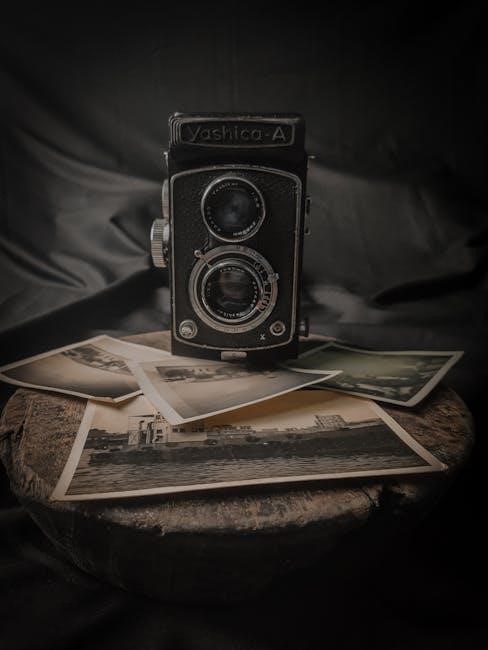

Yashica Mat 124G: A Comprehensive Guide
Delve into the world of medium format photography with this detailed exploration of the iconic Yashica Mat 124G‚ a beloved twin-lens reflex camera․
The Yashica Mat 124G‚ produced from 1973 to 1998‚ stands as a testament to accessible‚ high-quality medium format photography․ This twin-lens reflex (TLR) camera quickly gained popularity amongst both amateur and professional photographers‚ largely due to its robust build‚ reliable performance‚ and relatively affordable price point․

Unlike many TLRs of the era‚ the 124G incorporated a selenium light meter coupled to the shutter speed and aperture settings‚ simplifying exposure determination․ Its sharp Yashinon 80mm f/3․5 lens consistently delivers pleasing image quality‚ making it a fantastic entry point into the world of 120 film․
This guide aims to provide a comprehensive overview of the Yashica Mat 124G‚ covering everything from its technical specifications and features to practical usage tips‚ maintenance advice‚ and advanced techniques․ Whether you’re a seasoned film photographer or just starting out‚ this resource will help you unlock the full potential of this classic camera․
What Makes the 124G Special?
Beyond its reputation for reliability‚ the Yashica Mat 124G distinguishes itself through a unique combination of features․ The built-in selenium light meter‚ while requiring careful attention to its accuracy over time‚ offered a significant convenience for photographers accustomed to external metering․ This feature‚ coupled with the camera’s intuitive controls‚ made it exceptionally user-friendly․
The 124G’s focusing system is remarkably smooth and precise‚ contributing to consistently sharp images․ Its relatively quiet shutter operation is also a boon‚ particularly for street photography or candid shots․ Furthermore‚ the camera’s robust construction ensures it can withstand considerable use and even some rough handling․
Importantly‚ the Yashica Mat 124G represents excellent value for money․ Compared to other TLRs‚ it often presents a more affordable entry point without sacrificing image quality or functionality‚ cementing its place as a favorite among film enthusiasts․
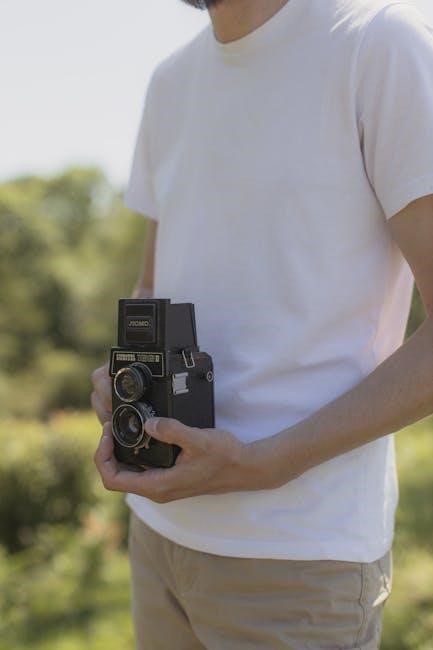
Technical Specifications & Features
Explore the core components defining the Yashica Mat 124G’s capabilities‚ from its lens and shutter mechanisms to its intricate metering and focusing systems․
Film Format & Lens Details
The Yashica Mat 124G is designed for 120 format film‚ producing 6x6cm square negatives․ This classic film size offers a beautiful aspect ratio and excellent image quality․ The camera utilizes a fixed 80mm f/3․5 Yashinon lens‚ renowned for its sharpness and pleasing rendering․
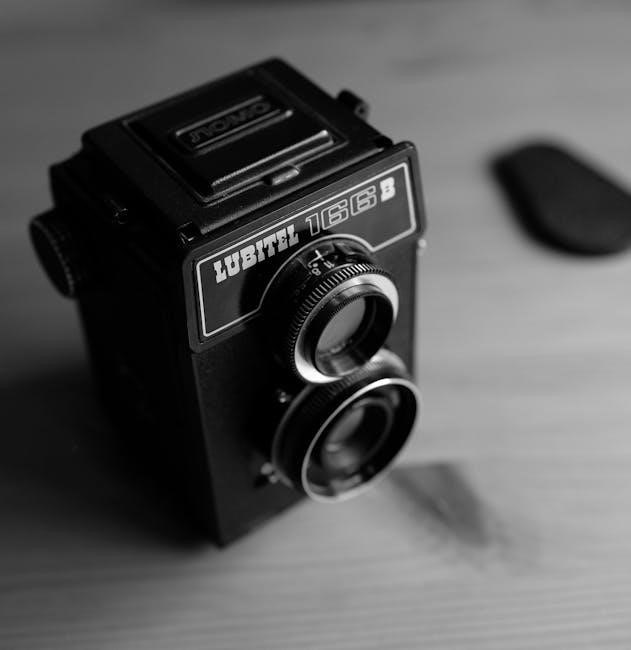
This lens is a four-element‚ three-group design‚ delivering impressive performance for a lens in this price range․ It’s known for its relatively low distortion and good contrast․ The taking lens (the bottom lens) is the one that forms the image on the film․ Above it sits the viewing lens‚ used for composing your shots․
Understanding the lens characteristics is crucial for maximizing your results․ While not as fast as some lenses‚ f/3․5 is perfectly adequate for many shooting situations‚ especially outdoors․ The lens is not interchangeable‚ contributing to the camera’s simplicity and robustness․
Shutter & Metering System
The Yashica Mat 124G features a Copal-Central shutter with speeds ranging from 1 second to 1/500th of a second‚ plus Bulb (B) for long exposures․ This leaf shutter is located within the lens assembly‚ ensuring consistent and accurate exposures․ Shutter speeds are adjustable via a dial surrounding the taking lens․
Metering is handled by a built-in CdS light meter‚ activated by a lever on the camera’s front․ The meter reading is displayed in the viewfinder as a needle indicating under‚ correct‚ or overexposure․ It’s important to note this meter relies on a mercury battery‚ which are becoming increasingly difficult to find; alternatives like WeinCell batteries are recommended․
While the meter is helpful‚ it’s advisable to double-check readings with a handheld meter or the Sunny 16 rule‚ as older meters can become inaccurate over time․ Understanding the interplay between shutter speed and aperture is key to mastering exposure with the 124G․
Focusing Mechanism & Viewfinder
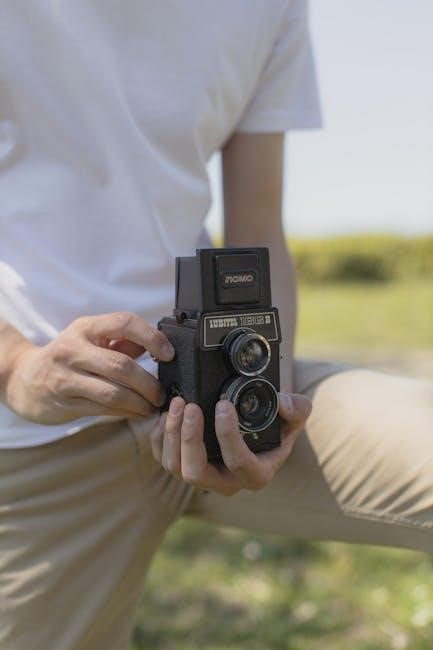
The Yashica Mat 124G employs a traditional twin-lens reflex (TLR) focusing system․ Focusing is achieved by rotating the large focusing knob on the camera’s right side․ This knob adjusts the position of the taking lens‚ while the viewing lens remains fixed․ Accurate focusing relies on precise observation through the matte screen viewfinder;
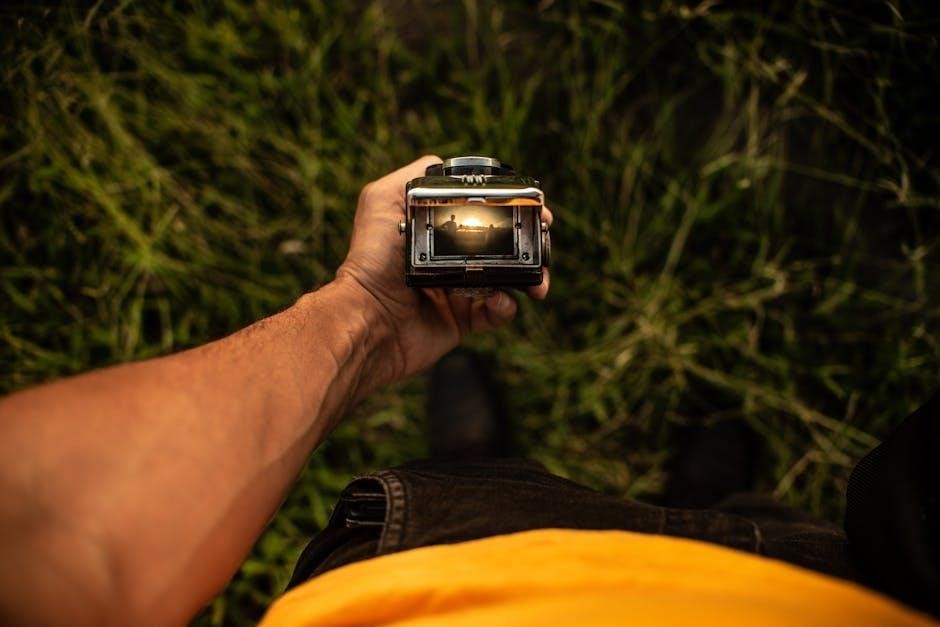
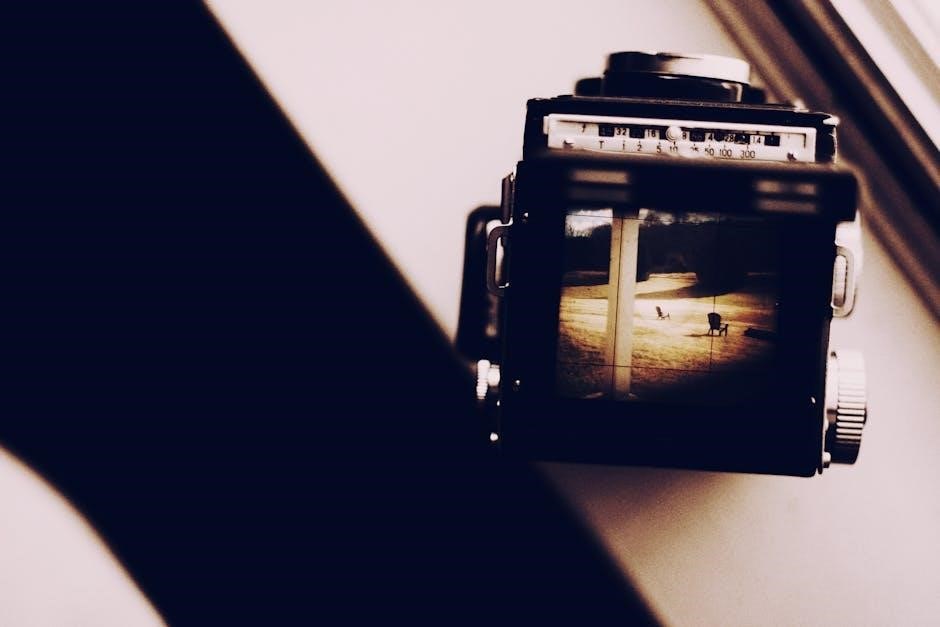
The viewfinder provides a bright‚ upright‚ and laterally reversed image․ A split-image focusing spot in the center of the viewfinder assists in achieving sharp focus; align the two halves of the image for optimal clarity․ Be mindful of parallax error‚ especially at closer distances – a correction scale is present in the viewfinder to aid in compensation․
The viewfinder also houses the exposure meter needle‚ providing a convenient way to assess exposure while composing your shot․ Regularly cleaning the viewfinder screen ensures optimal brightness and clarity for accurate focusing․
Using Your Yashica Mat 124G
Mastering the Yashica Mat 124G involves understanding its operational nuances‚ from film loading to precise exposure settings and achieving beautifully focused photographs․
Loading Film Correctly
Successfully loading film into your Yashica Mat 124G is crucial for optimal results․ Begin by releasing the film spool lock on the camera’s back․ Gently open the back and insert your 120 film roll into the left-side spool‚ ensuring the film leader extends slightly․
Thread the film leader into the take-up spool on the right side‚ advancing it a little to ensure it catches securely․ Close the camera back‚ and use the film advance crank to advance the film․ Watch the rewind knob on the left; it will begin to rotate as the film is taken up․
Continue advancing and observing until number ‘1’ appears in the red window on the camera back․ Reset the frame counter to ‘S’ (Start) before advancing to frame ‘1’․ Proper loading prevents overlapping frames and ensures you capture all intended shots; Always double-check the film path before closing the back!
Setting Exposure: Aperture & Shutter Speed
Mastering exposure with the Yashica Mat 124G involves understanding the interplay between aperture and shutter speed․ The aperture‚ controlled by the f-stop dial on the taking lens‚ regulates the amount of light entering the camera and affects depth of field․
Lower f-numbers (e․g․‚ f/2․8) create shallow depth of field‚ ideal for portraits‚ while higher f-numbers (e․g․‚ f/16) yield greater depth of field‚ suitable for landscapes․ The shutter speed dial‚ located on the camera body‚ controls the duration of light exposure․
Faster shutter speeds (e․g․‚ 1/250s) freeze motion‚ while slower speeds (e․g․‚ 1/30s) allow more light in but require a steady hand or tripod․ Utilize the built-in selenium meter as a guide‚ adjusting both settings for correct exposure․ Remember the Sunny 16 rule as a backup!
Focusing Techniques for Sharp Images
Achieving sharp focus is crucial with the Yashica Mat 124G‚ as its twin-lens design introduces potential for focusing errors․ The focusing knob‚ located on the camera’s side‚ adjusts the position of the taking lens while observing the image in the viewing lens․
Precisely align the ground glass image with your subject; slight adjustments are key․ Remember that the viewing lens isn’t directly coupled to the taking lens‚ so what you see isn’t exactly what you’ll get – parallax error exists (addressed later!)․
For stationary subjects‚ slow and deliberate focusing yields the best results․ When shooting moving subjects‚ pre-focus on a point where you anticipate the action to occur․ Practice makes perfect; consistent focusing will dramatically improve your image quality․
Maintenance & Troubleshooting
Regular care ensures longevity․ Addressing common issues promptly keeps your Yashica Mat 124G functioning optimally‚ preserving its value and photographic capabilities for years․
Cleaning & Storage Best Practices
Maintaining your Yashica Mat 124G requires gentle care․ For the body‚ use a soft‚ dry microfiber cloth to remove dust and fingerprints․ Avoid harsh chemicals or solvents‚ as they can damage the finish․ The lenses should be cleaned with a lens brush to remove loose particles‚ followed by lens cleaning fluid and a clean microfiber cloth‚ using circular motions․
Pay close attention to the viewfinder and focusing screen; these are delicate․ Use a blower to remove dust‚ and only gently wipe with a specialized screen cleaning solution if absolutely necessary․ When storing your 124G‚ keep it in a cool‚ dry place‚ away from direct sunlight and extreme temperatures․ A camera bag or case is ideal for protection․
Remove the batteries before long-term storage to prevent corrosion․ Periodically exercise the shutter and focusing mechanism to keep them functioning smoothly․ Proper cleaning and storage will significantly extend the life of your Yashica Mat 124G‚ ensuring years of reliable performance․
Common Issues & Their Solutions
Several issues can arise with the Yashica Mat 124G․ A sticky shutter is frequent; gentle exercise and‚ if needed‚ a professional CLA (Clean‚ Lubricate‚ Adjust) can resolve this․ Dim viewfinder images often indicate a dirty focusing screen – careful cleaning is required․ Erratic metering usually points to aging batteries; replace them promptly․
If the film advance feels stiff‚ inspect for debris or dried lubricant․ Avoid forcing it; a CLA is recommended․ Light leaks often stem from deteriorated light seals; these need replacement․ Focusing issues can sometimes be traced to a loose lens mount‚ requiring professional attention․
Remember‚ attempting complex repairs yourself can cause further damage․ When in doubt‚ consult a qualified camera technician․ Regular maintenance and prompt attention to minor issues will prevent them from escalating into major problems‚ keeping your 124G in optimal working condition․
Dealing with Light Leaks
Light leaks are a common issue with older cameras like the Yashica Mat 124G‚ often appearing as unwanted bright streaks or fogging on your negatives․ The primary culprit is usually deteriorated light seals around the film door‚ back door‚ and lens boards; Identifying the source is crucial․
To test‚ load a test roll of film and observe where the leaks appear․ Once identified‚ replacement seals are readily available online․ Carefully remove the old seals – a plastic scraper helps – and clean the surfaces thoroughly․ Apply the new adhesive-backed seals‚ ensuring a tight‚ even fit․
Pay close attention to corners and edges․ If leaks persist after seal replacement‚ check for pinholes in the body or around the film advance knob․ Black electrical tape can offer a temporary fix‚ but professional repair is ideal․ Preventative care‚ like storing the camera properly‚ minimizes future leaks․
Advanced Techniques & Considerations
Unlock the full potential of your Yashica Mat 124G by mastering zone focusing‚ filter usage‚ and understanding parallax error for stunning results․
Zone Focusing for Street Photography
Zone focusing‚ a cornerstone of candid street photography‚ is remarkably effective with the Yashica Mat 124G․ Because pre-setting focus is straightforward‚ you can quickly estimate distances and set the lens to a specific aperture – typically f/8 or f/11 – ensuring sufficient depth of field․
This technique eliminates the need for precise focusing on each subject‚ allowing you to react instantly to fleeting moments․ Pre-select your desired zone‚ often around 2-3 meters for general street scenes‚ and simply compose and shoot․
The 124G’s bright viewfinder aids in visualizing the in-focus area․ Practice estimating distances and correlating them to the focusing scale․ Remember that smaller apertures yield greater depth of field‚ increasing your chances of capturing sharp images even with slight miscalculations; Embrace the inherent unpredictability and capture authentic street life!
Using Filters with the Yashica Mat 124G
The Yashica Mat 124G accepts filters via a bayonet mount on the taking lens (the bottom lens)․ This opens up creative possibilities for enhancing your images․ Common filter types include yellow‚ orange‚ red‚ and polarizing filters․
Yellow and orange filters can subtly warm tones and increase contrast‚ particularly effective for portraiture and landscapes․ Red filters dramatically enhance contrast‚ rendering skies dark and emphasizing textures․ A polarizing filter reduces glare and reflections‚ saturating colors and improving clarity‚ especially in outdoor scenes․
When selecting filters‚ ensure they are specifically designed for the 49mm bayonet mount․ Carefully attach and remove filters to avoid damaging the lens․ Experiment with different filter combinations to achieve unique effects and explore your artistic vision․ Remember to adjust exposure compensation when using filters‚ as they reduce light transmission․
Understanding Parallax Error
Parallax error is inherent in twin-lens reflex (TLR) cameras like the Yashica Mat 124G․ It occurs because the viewing lens and the taking lens are slightly separated․ What you see in the viewfinder isn’t exactly what the film captures‚ especially at closer focusing distances․
This discrepancy means the composition in your viewfinder will differ slightly from the final image․ The closer you focus‚ the more pronounced the parallax error becomes․ Yashica thoughtfully included parallax correction lines etched into the viewfinder screen․
These lines indicate the approximate framing for different subject distances․ For subjects closer than about 6 feet‚ you must use these lines to ensure key elements are included in the frame․ Ignoring parallax correction will result in cropped compositions‚ particularly noticeable with subjects near the edges of the frame․ Practice recognizing and compensating for this effect․
Resources & Further Learning
Expand your knowledge with these helpful resources! Discover film options‚ connect with fellow enthusiasts‚ and locate repair services for your Yashica Mat 124G․
Recommended Film Stocks
Choosing the right film significantly impacts your Yashica Mat 124G’s results․ For classic black and white imagery‚ Ilford HP5 Plus is a versatile and forgiving option‚ excellent for various lighting conditions․ Kodak Tri-X 400 offers a similar experience with a distinct grain structure‚ favored by many street photographers․
If color is your preference‚ Kodak Portra 400 is renowned for its beautiful skin tones and overall pleasing aesthetic‚ making it ideal for portraits․ Fujifilm Pro 400H provides a cooler‚ pastel-like color palette‚ perfect for softer‚ more ethereal images․ For vibrant‚ saturated colors‚ consider Kodak Ektar 100‚ though it requires bright lighting․
Experimenting with different films is key to discovering your personal style․ Don’t be afraid to try less common stocks like Lomography Color Negative 800 for a unique look‚ or Ilford Delta 3200 for low-light situations․ Remember to consider the film’s speed (ISO) when setting your exposure․
Online Communities & Forums
Connecting with fellow Yashica Mat 124G users online is invaluable for support‚ advice‚ and inspiration․ The r/analog subreddit on Reddit is a thriving community with dedicated threads for medium format cameras‚ including the 124G‚ where you can ask questions and share your work․
Film Photography Project offers extensive forums with a dedicated section for Yashica cameras‚ providing detailed discussions on repairs‚ modifications‚ and shooting techniques․ Rangefinder Forum also features a dedicated TLR section where experienced users share their knowledge․
Facebook groups‚ such as those dedicated to Yashica cameras or medium format photography‚ can be excellent for quick questions and visual feedback․ These platforms allow you to learn from others’ experiences‚ troubleshoot issues‚ and discover new creative approaches with your 124G․
Repair Services & Parts Availability
Maintaining a Yashica Mat 124G often requires professional servicing‚ as its mechanical components can degrade over time․ Camera-Repair․com is a reputable service specializing in classic cameras‚ including Yashica TLRs‚ offering CLA (Clean‚ Lubricate‚ Adjust) services and repairs․
Bob’s Cameras is another well-regarded repair shop with extensive experience in medium format cameras․ Finding spare parts can be challenging‚ but sites like eBay frequently list used parts‚ including focusing screens‚ lens elements‚ and shutter components․
Mir Optical sometimes carries parts suitable for Yashica cameras․ Be cautious when sourcing parts and ensure compatibility before purchasing․ For complex repairs‚ professional servicing is highly recommended to preserve the camera’s functionality and value․